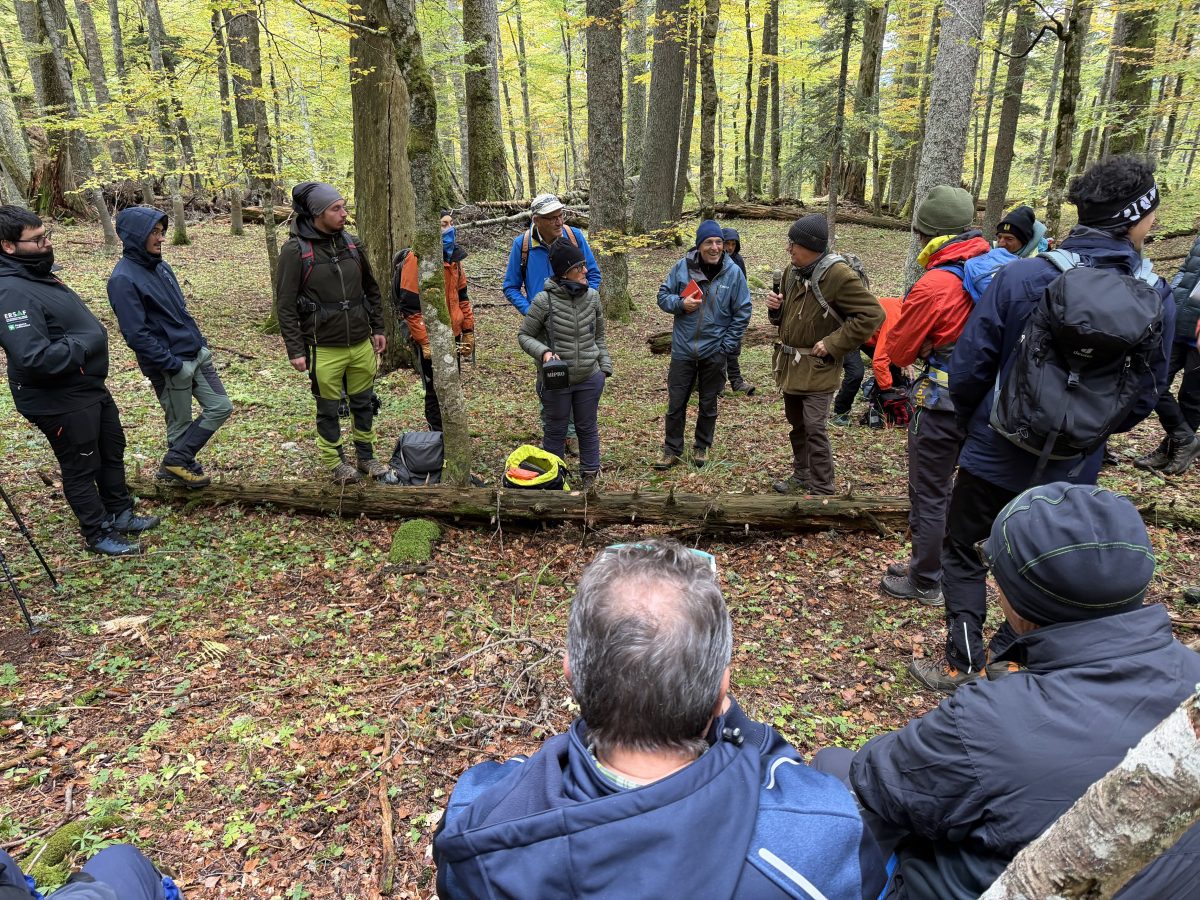
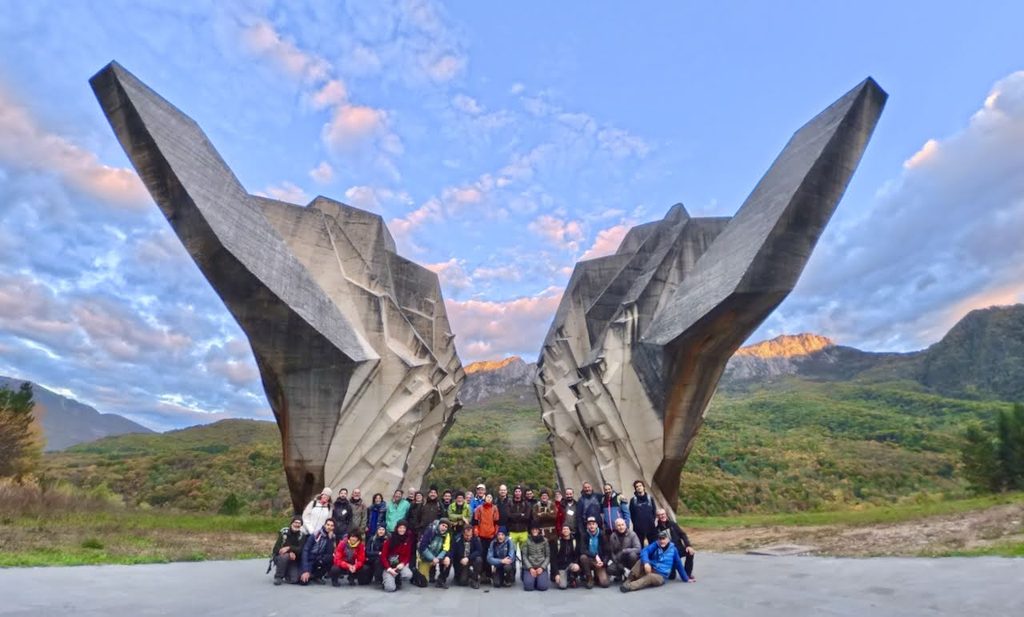
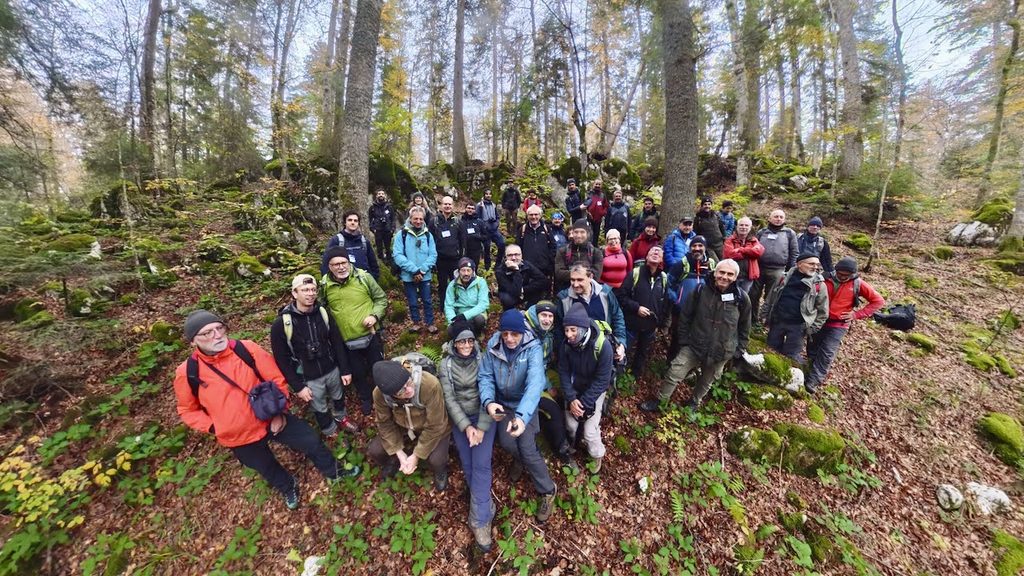
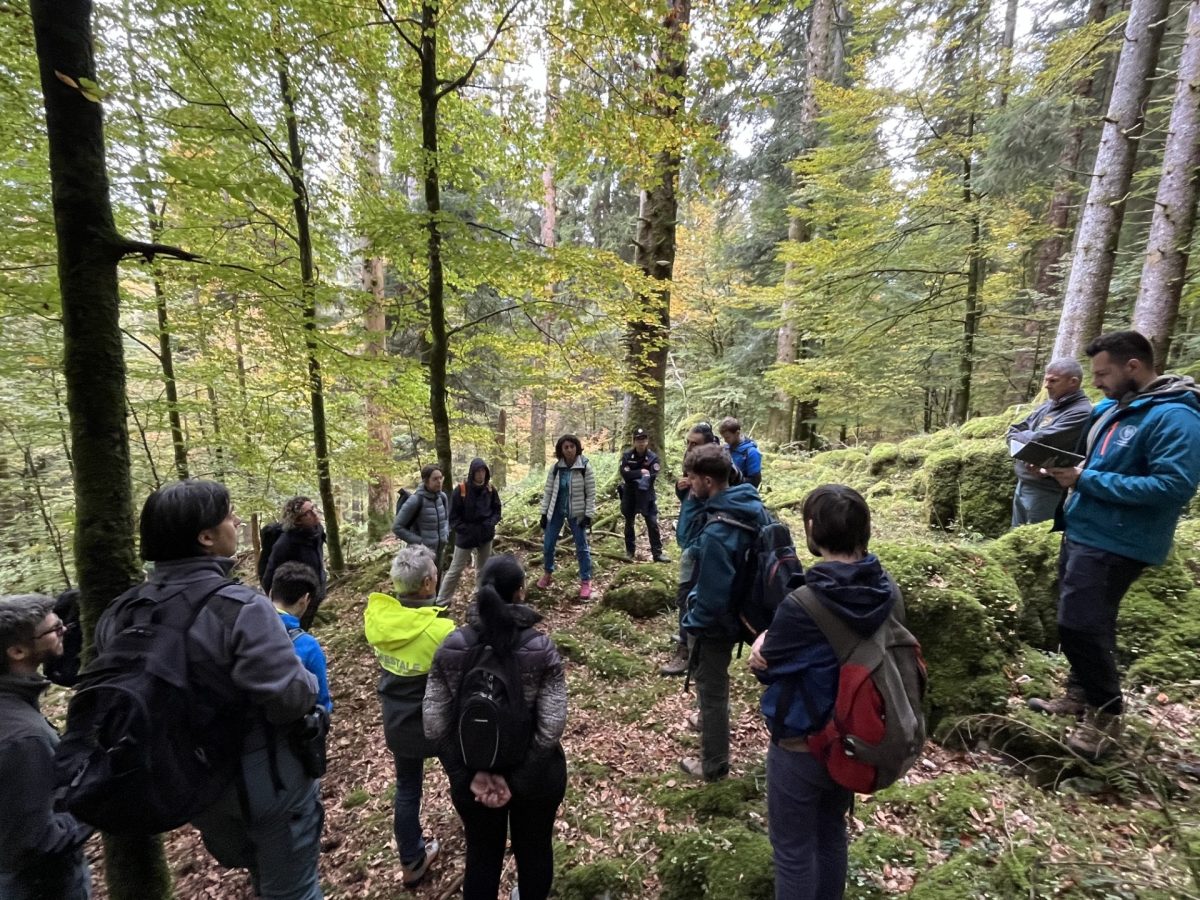
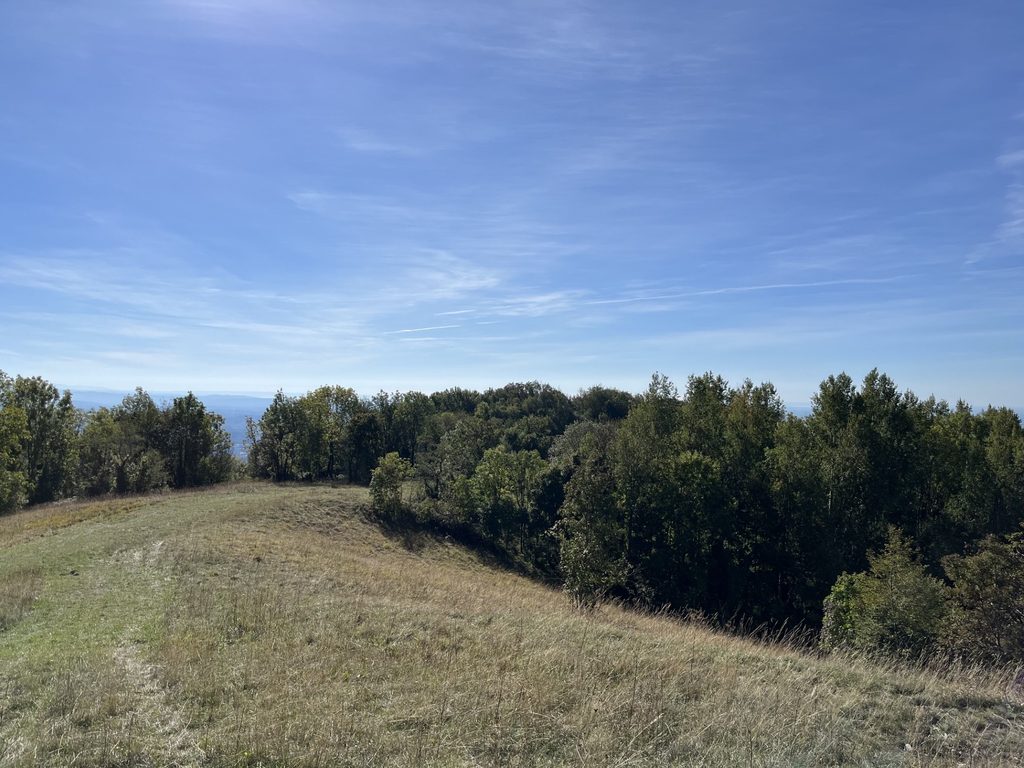
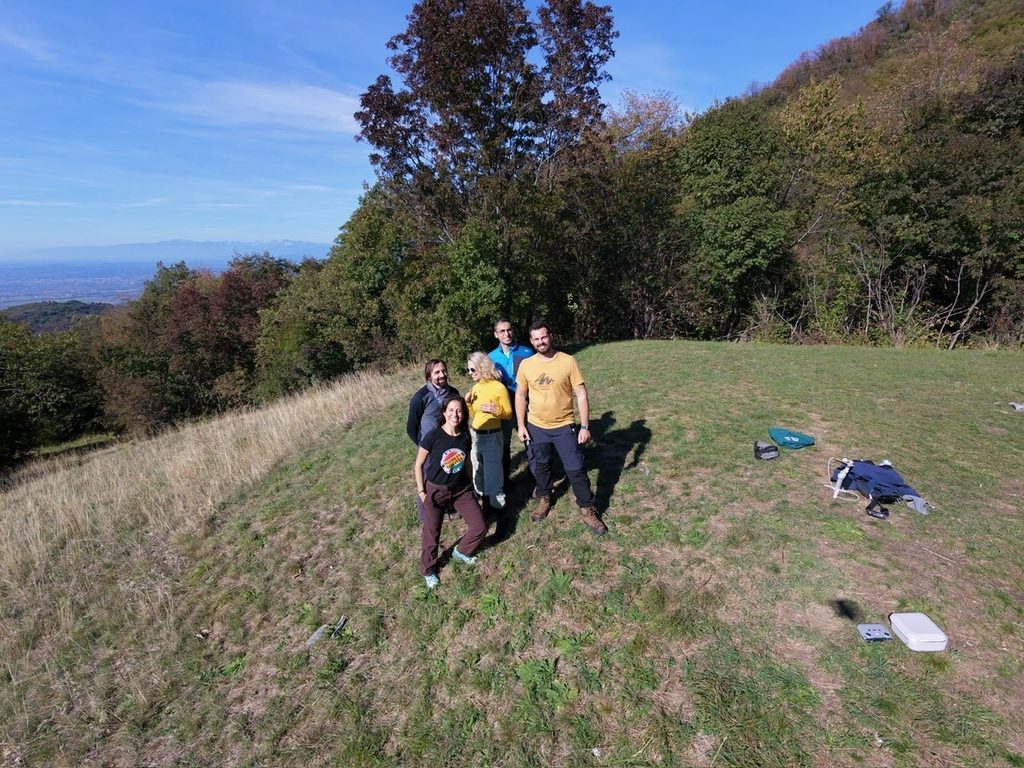
Pro Silva Italy recently visited the Wildcard case study sites in Lom and Perućica, Bosnia and Herzegovina, to explore old-growth forests (OGFs) and their value for biodiversity, carbon storage, and sustainable forest management.
The field trip introduced participants to the Wildcard project’s objectives and methodologies for forest sampling and data analysis. Discussions and field observations focused on differences in forest structure and species composition between managed forests and old-growth forests, natural regeneration processes, and the quantity and quality of deadwood and its contribution to biodiversity and carbon stocks.
Participants also examined carbon accumulation across different forest compartments, compared carbon stocks in old-growth and managed forests, and discussed the limitations of current carbon estimation methods and emerging approaches to improve them.
The visit highlighted the value of old-growth forests as reference systems for understanding natural forest dynamics and informing close-to-nature silviculture. Lessons from the Wildcard case study sites can help strengthen the evidence base for the Pro Silva approach and support forest management that better integrates biodiversity conservation, climate mitigation, and natural forest processes.
What happens when forests are left to develop naturally? How does wildlife influence forest regeneration? And what do we gain and lose when forests reclaim land that was once managed by people?
As part of the Wildcard project, in collaboration with the University of Udine, we went on a two-day study trip to explore these questions across two fascinating – and very different – Wildcard case study sites in the Friuli Venezia Giulia region of Northeastern Italy.
On the first day, joined by more than 20 forest managers, researchers, forestry experts and representatives of different associations, we explored how ecological processes, historical land use and local traditions continue to shape the region’s forests and landscapes.
Old forests, new insights
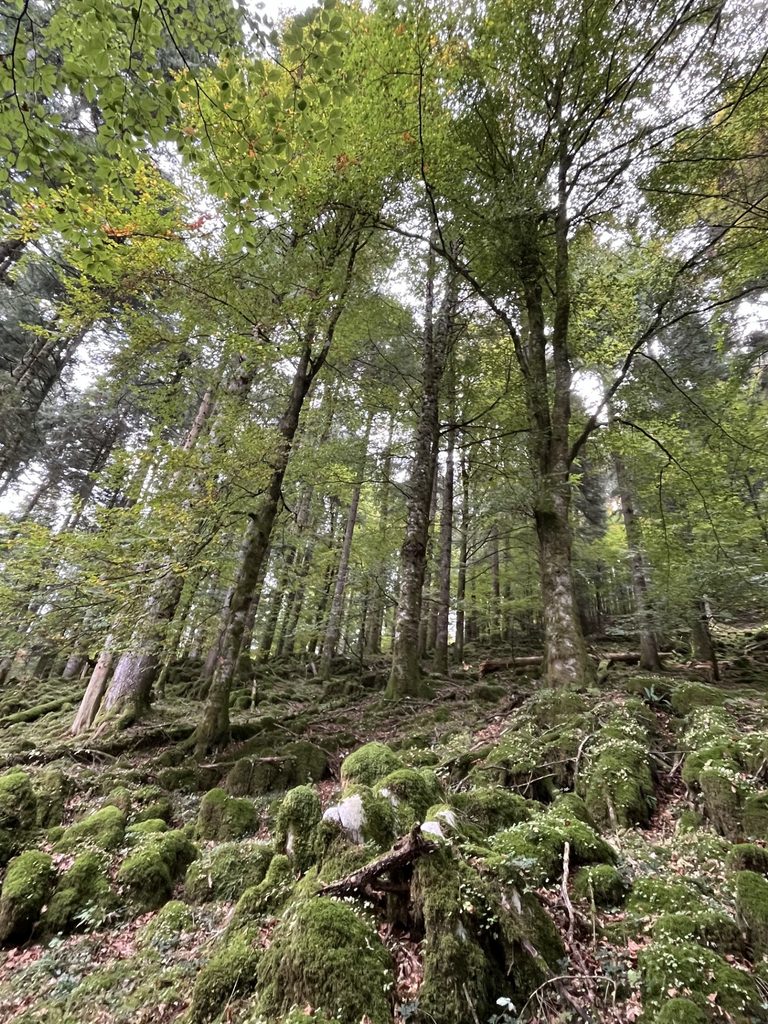
Our first stop was the Cansiglio Forest, where we visited stands displaying impressive old-growth characteristics. Researcher Antonio Tomao introduced us to the ecological processes unfolding in forests that have been left to develop with minimal human intervention. The Pian delle Stele reserve has been established in the early 1970s, with the last management intervention taking place more than 60 years ago, allowing natural processes to shape the forest over several decades.
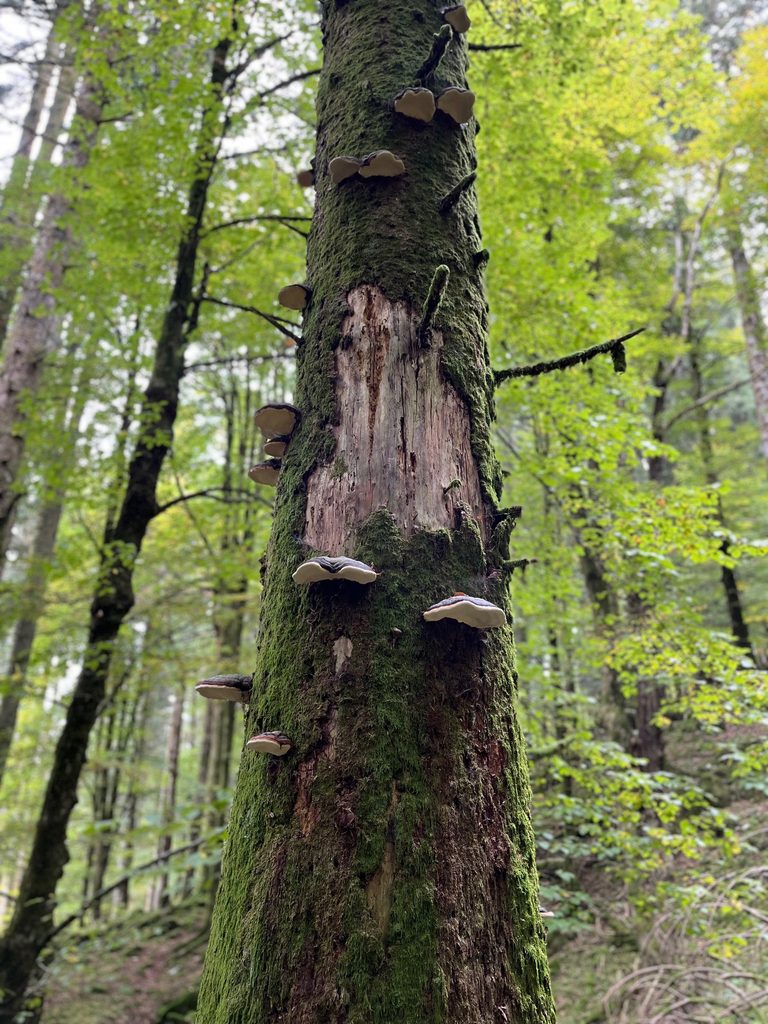
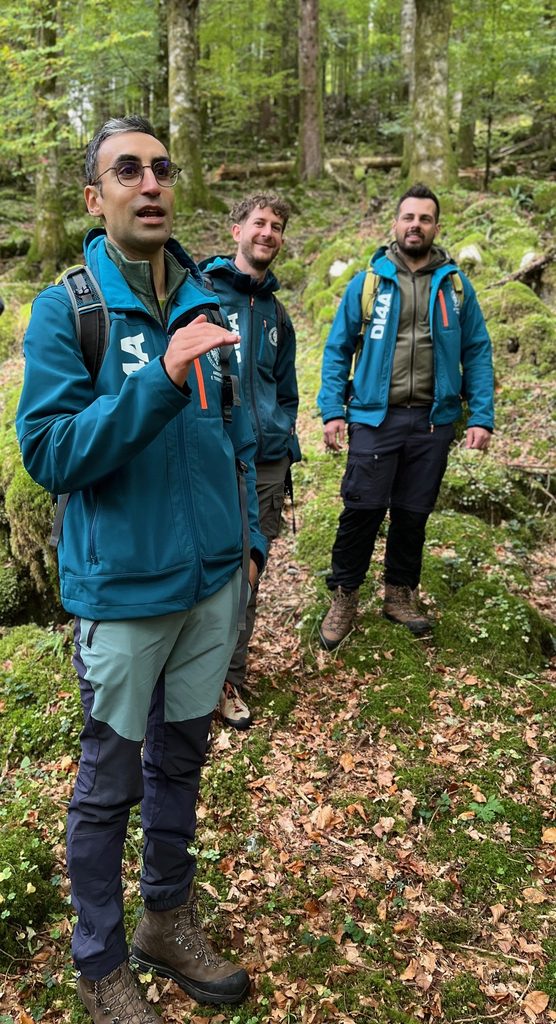
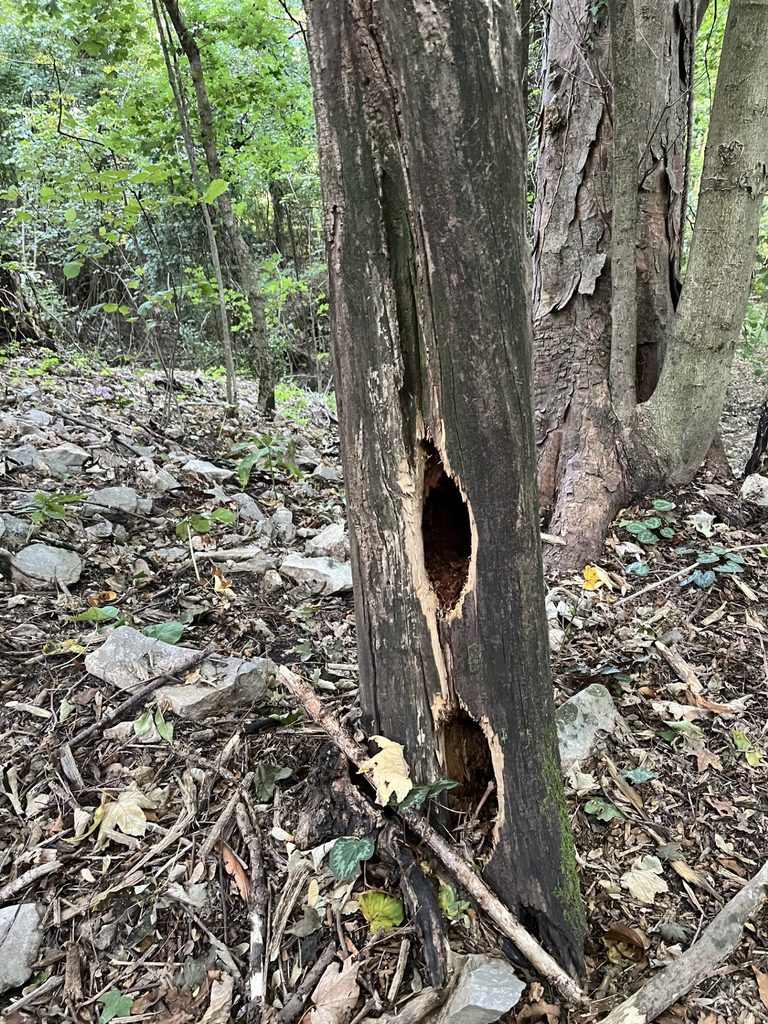
The landscape offered plenty to discover: abundant deadwood, fascinating fungi, tree cavities and a remarkable variety of microhabitats. Natural disturbances create structural diversity, providing essential habitats for species that depend on mature trees and decaying wood, including rare beetles and fungi. These features remind us that a forest’s ecological value extends far beyond the number of living trees it contains. It was beautiful to see how impressed and proud the participants were, for example when we found a Hericium erinaceus, a rare fungus that only grows on deadwood. Every 200 meters we had to make a break, both for the experts to explain the diverse forest features, as well as for the group to take several photos. From researcher Guido Marcoz we learnt that the group of scientists from University of Udine has found rare woodpeckers and a small owl, that only nests in holes that were formerly occupied by woodpeckers. What an excitement the researchers must have felt identifying these species with on-the-ground data collection techniques like sound recording – it was still visible when listening to Guido. “These species need a lot of deadwood”, Guido stated, and we learned that “by leaving standing and laying deadwood to decay also in forests managed for wood production, it is possible to promote these habitats as well”.
Cansiglio forest with a lot of deadwood Impressive Fungi, habitat to several small animals and organismsResearchers Antonio Tomao, Guido Marcoz and Alessandro Foscari (University of Udine)
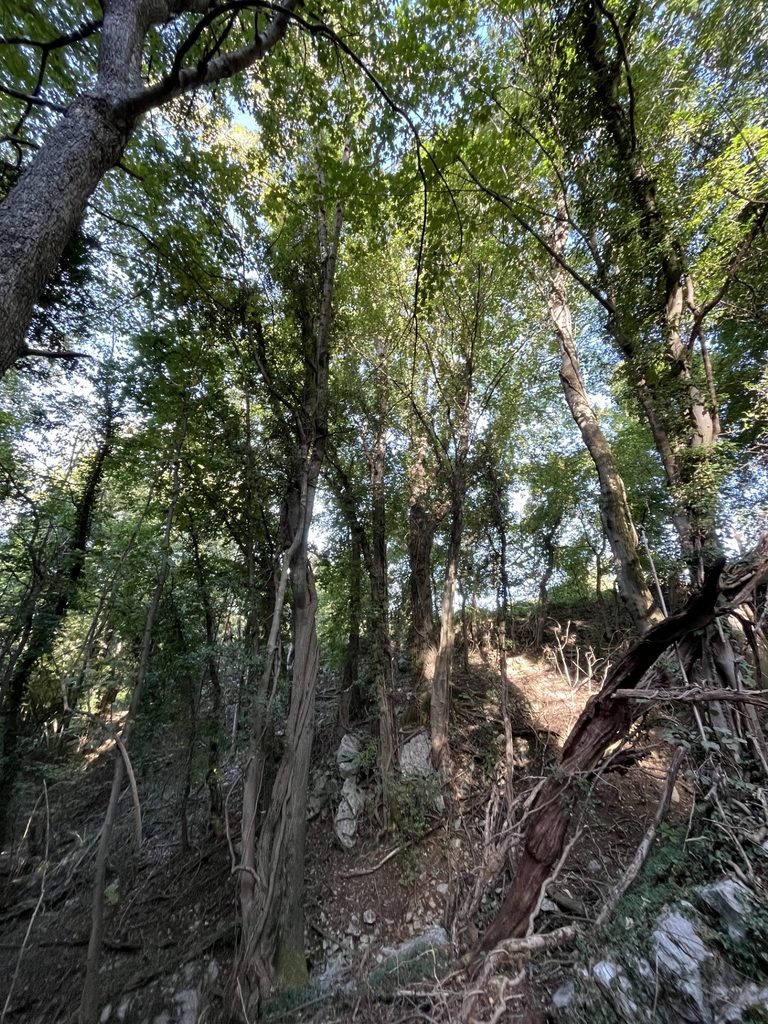
While hiking through the wild and steep forest, we also explored how old-growth forests contribute to carbon storage and sequestration, and how biodiversity develops as forests mature. One particularly interesting question was how these forests respond to climate change. While their structural complexity and natural processes offer valuable insights into forest resilience, understanding their long-term responses remains an important research challenge.
“We need to make the people aware of the different forest functions, and that there can be conflicts of interests depending on which function is prioritized”, said forestry advisor Fabio Cogo. He also mentioned that – apart from carbon credits – there are very few options to get funding for setting forests aside for conservation purposes, and that this funding is usually only beneficial for a small group of stakeholders.
How forest development is shaped by wild animals
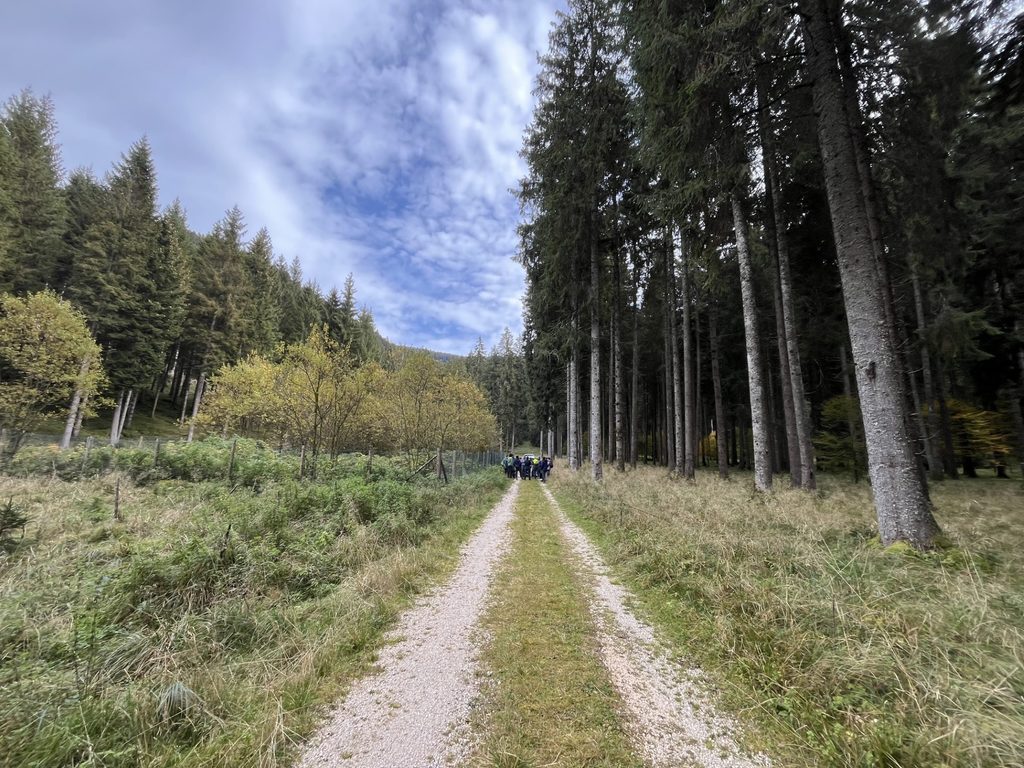
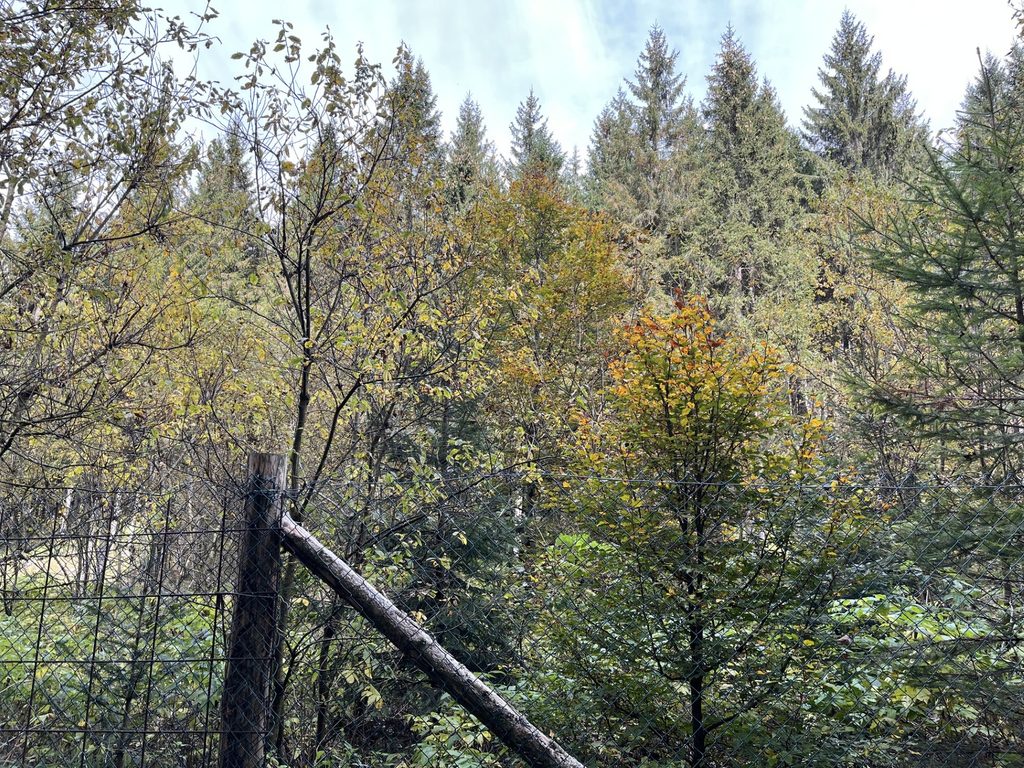
Yet natural forest development does not happen without pressures. Deer browsing, for example, can significantly limit natural regeneration and reduce the diversity of tree species. At our second stop, we saw a striking illustration of this challenge, presented to us by forest manager Roberto Luise, the local forest manager. An area protected by fencing for 15–20 years showed a remarkable difference in regeneration compared with the unfenced forest across the road, where young trees were scarce and shrubs dominated. We also discussed the potential of hunting – which we learnt is not allowed in the area – and the option of re-introducing the wolf. Roberto stated that the wolf plays an important role in addressing the game situation, “but it cannot be the only solution”, added Roberto. Seeing the effects of browsing on forest regeneration was a powerful reminder that natural processes are shaped not only by the management – or the absence of it – but also by the presence of wildlife and the conditions surrounding the forest.
Group of experts visiting the fenced areaFenced regeneration with diverse tree speciesDifference between natural regeneration in fenced area and the surrounding landscape
Local communities as a key to success?
From Federica Biondo we learnt that there is still a lot to do in terms of taking local communities onboard, raising both their awareness and support for the local forests and their benefits. This is why her organization Legno Servizi, supporting the forest-wood sector in the Friuli Venezia Giulia region, has recently established forest education centers in both Udine and Triest. These were founded to contribute to their main objective, promoting sustainable forest management and the use of local wood through a range of dissemination, research, communication and project development activities.
Finally, in the evening, after most of the participants went home, we met Giulia Zanuttigh in Udine, about 2 hours away from Cansiglio forest. Giulia is a member of the Italian Alpine Club and works at the Municipality of Udine. She emphasized that local people should have an influence on what is happening with the forests near their homes. This could involve being allowed to cut forests to use the land as a meadow, as was done in the past. She also sees potential for more tourism, but less related to forests and their biodiversity but more related to the cultural use of forests and land.
When the forest returns: a visit to Soffumbergo
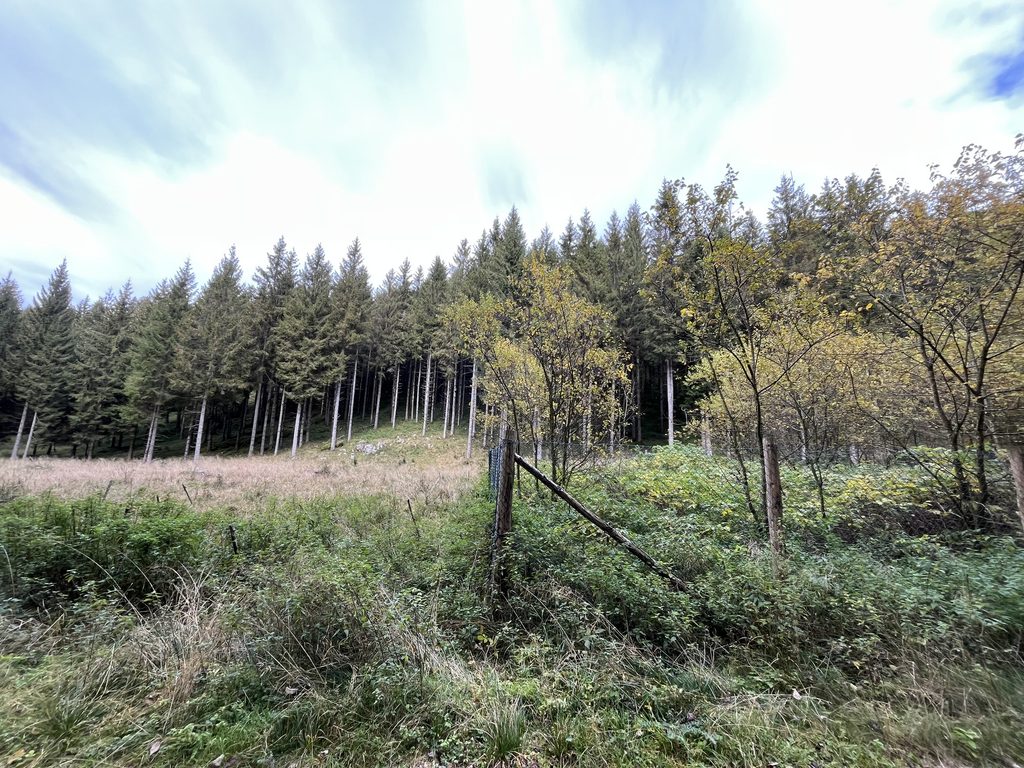
On the second day, we turned our attention to Soffumbergo, a landscape that tells a different story of forest change. Around 80 years ago, much of this area consisted of open meadows and pastures. Following the devastating earthquake of 1976, many residents left their villages, and agricultural land was gradually abandoned. Forests subsequently reclaimed these open spaces, with species such as maple, ash and hornbeam establishing themselves under the region’s favourable growing conditions.
Today, tall trees, woodland habitats and signs of wildlife reveal the ecological opportunities created by this transformation. At the same time, the expanding forest tells a story of disappearing cultural landscapes. Traditional agroforestry systems, including meadows dotted with chestnut trees, once supported local livelihoods and shaped the identity of the villages. Their decline means losing not only familiar landscapes, but also traditional knowledge, land-use practices and elements of local cultural heritage.
Microhabitats, providing nests to birds and other small animalsFormer meadows overgrown with forest
Between rewilding and cultural landscapes
Managing these changing landscapes is further complicated by fragmented land ownership. Some parcels are extremely small, ownership records are outdated, and identifying the people responsible for abandoned land can be difficult. Local initiatives like “Pro Loco” are therefore exploring ways to coordinate land management, maintain open areas near villages and restore selected meadows where this can support cultural values, tourism and landscape resilience. One engaging example we learned about was the “Chestnut Festival”. This event is organized by Pro Loco in the small village Valle di Soffumbergo, which has around 10 inhabitants, but several hundred visitors for the Festival. At the heart of the village, we met Giorgio Dri, who told us about the history of the area, and about the impacts of the land abandonment. He emphasized that the impressive nature is attractive for ecotourism, and proudly shared that they organize different activities with tourists throughout the year. These include for example forest bathing and an excursion to the forest in the night of San Lorenzo on 10th August, where visitors can see the shooting stars at night, and are welcomed back to Soffumbergo with a “Pasta asciutta” at midnight. However, with wildlife being so close to their houses, he also expressed his concern regarding wild boars, destroying the local gardens.
Our final stop, at the aptly named “Meadows of the Church”, offered another striking perspective: a place where open land is increasingly being taken over by forest. We realized that the only meadow left there – most likely the place where visitors watch the shooting starts – might also been taken over by forests in the next years.
Meadows of the ChurchWildcard project team, organizers of the study trip
Across both days, one message became clear: forest change is never just an ecological story. It is also a story about history, livelihoods, biodiversity, climate, ownership and the relationship between people and their landscapes. And Rewilding does not represent a universal solution, but rather a set of context-specific strategies whose success depends on the ability to manage ecological, economic and social conflicts at local scale, integrating restoration interventions and natural dynamics with the needs of local landscapes and communities.
The Wildcard study trip provided a valuable opportunity to exchange perspectives, learn from local experience and reflect on the choices facing forest managers today. Rather than asking whether intervention or non-intervention is always the right answer, these landscapes invite us to consider a more nuanced question: what kind of forest and landscape do we want to sustain, and for whom?
The EU Nature Restoration Regulation (NRR) offers a unique opportunity to scale up ecosystem restoration across Europe. As Member States develop their National Restoration Plans, the challenge is to identify approaches that deliver measurable ecological benefits while remaining economically feasible and socially acceptable.
Organised by the sister projects WILD-E, REWRITE, and us, Wildcard, in collaboration with the Society for Ecological Restoration (SER), this Rewilding Knowledge science–policy event will bring together leading European experts to explore the latest evidence, innovative solutions and practical opportunities for restoring nature at scale.
Across four sessions, participants will examine progress in implementing the NRR, explore the broader evidence base for effective restoration, discuss practical approaches and local experiences, and identify research and innovation needs to accelerate implementation.
The event will cover four key themes:
Session I: Overview and update on NRR implementation Session II: Evidence-based nature restoration: The big picture Session III: Evidence-based restoration: Going local and digging deeper Session IV: Research and innovation needs for effectively implementing the Nature Restoration Regulation
Join us to discover how science and policy can work hand in hand to overcome barriers, unlock opportunities and turn Europe’s restoration ambitions into lasting change for nature and society.
A new European hub, Rewilding Knowledge, is bringing together rewilding research and knowledge to bridge the gap between academia, policy and rewilding action.
Rewilding Knowledge has been developed through a collaboration between three EU Horizon projects, wildE, REWRITE, and us, WILDCARD. While Horizon projects are time-bound, the platform Rewilding Knowledge will ensure that our findings remain accessible to policymakers, land managers, and researchers long after the projects conclude.
Across Europe, a range of different management approaches and tools are enabling nature to adapt to a changing world and drive the restoration of habitats and ecosystems on land and at sea. Rewilding approaches are bringing benefits to climate and biodiversity while addressing the needs of local communities.
Rewilding Knowledge aims to advance both academic and practical understanding of how rewilding science can address the climate and biodiversity crises and support nature restoration across Europe. This research and knowledge has been developed through three rigorous Horizon Europe-funded projects, with high-quality outputs aiming to build a future where rewilding plays a key role in supporting nature restoration and climate adaptation.
By bringing together the latest curated, robust scientific evidence from trusted and reputable sources in Europe, Rewilding Knowledge ensures users can rely on the quality and credibility of the information provided.
Key features include news, blogs, a searchable resource repository featuring reports and policy guidance, videos and podcasts. More content will continue to be added as the site expands and new knowledge and research becomes available.
Built on a foundation of collaboration and connection, Rewilding Knowledge welcomes projects and initiatives from the European rewilding science community to explore opportunities for knowledge sharing and partnership.
Powered by Oppla, Rewilding Knowledge is part of a wider global knowledge network bringing together the latest research on natural capital, ecosystem services and nature-based solutions.
What happens when people leave the land, when forests return on their own, or when nature refuses to follow our expectations? Our four new episodes of WILDCARD: The Forest Game take listeners on a journey through some of Europe’s most fascinating ecological transformations, revealing how landscapes, wildlife, and even microscopic organisms are reshaping the continent’s future.
In Episode 5, Natural Reforestation in Portugal, we travel to the remote Trás-os-Montes region, where abandoned farmland is gradually becoming forest. This largely unplanned process, driven by demographic and economic change, represents one of Europe’s largest reforestation phenomena. Yet the story is far more complex than a simple return of trees. Through local voices and scientific insights, the episode explores how people, forests, and changing rural landscapes continue to interact.
Episode 6, When Nature Surprises Us: The Steppe That Refused to Become Forest, challenges one of the most common assumptions about ecological succession. After fifty years of observation, ecologist Karel Prach discovered that an abandoned field in the Czech Republic did not become forest as expected. Instead, it developed into a valuable grassland ecosystem supporting rare steppe species. The episode highlights the importance of adaptation, long-term observation, and humility when working with nature.
In Episode 7,The Invisible Architects, the focus shifts beneath our feet. Following devastating wildfires on Mount Vesuvius, researchers uncovered a hidden world of bacteria, fungi, and soil organisms that drive ecosystem recovery. These microscopic communities rebuild soil health, recycle nutrients, and create the foundations without which forests regeneration could not take place. Their work may be invisible to our eyes, but it is essential for successful rewilding.
Finally, Episode 8, Where Wolves Walk: Natural Reforestation and the Return of Wildlife, explores the dynamic relationship between regenerating forests and wildlife. As forests reconnect fragmented landscapes, animals expand into new territories, creating ecological corridors across Europe. Yet wildlife are not merely beneficiaries of restoration; they actively shape the forests themselves through browsing, seed dispersal, and predator-prey interactions. Rewilding emerges as a continuous dialogue between animals and landscapes.
Together, these four episodes reveal that rewilding is neither simple nor predictable. Forests, grasslands, wildlife, and soil organisms all play interconnected roles in shaping Europe’s future landscapes. Through compelling stories and cutting-edge science, WILDCARD: The Forest Game invites listeners to discover how nature recovers when humans step back and observe.
Produced within the WILDCARD project, the podcast combines scientific expertise with engaging storytelling to bring Europe’s rewilding revolution to life. Whether you are interested in ecology, restoration, conservation, or the future of European landscapes, these episodes offer fresh perspectives on the surprising ways nature responds to change.
Our innovative new online exhibition is inviting audiences to experience rewilding through a different lens – one shaped not by data alone, but by creativity, emotion, and shared reflection. Launched in collaboration with the Meander Magazine and the REWRITE project, the “Rewilding through Art” initiative brings together science, culture, and artistic expression in a unique virtual gallery hosted by Meander magazine: www.meandermagazine.earth/rewildingthroughart
The exhibition stems from a simple yet powerful set of questions: what does rewilding mean to individuals and communities, and how can it reshape both landscapes and mindsets? The response was striking. More than 80 submissions from artists, researchers, and citizens across 19 countries offered diverse interpretations – from ocean installations and satellite imagery to sculptures made of forest materials. A jury combining expertise from art, ecology, and environmental practice selected 12 standout works, reflecting a wide range of perspectives. While the exhibition originated as a physical installation in a forest setting in Freising, Germany, in February 2026, it now lives on through its online format, making these reflections accessible to a broader audience.
The virtual gallery highlights how art can deepen engagement with environmental issues, creating space for dialogue and new ways of seeing. Complementary to presenting rewilding as a purely scientific concept, the exhibition reveals it as a cultural and emotional process – one that reconnects people with nature and with each other.
On Rewilding Day 2026, our attention turns to WILDCARD’s Czech case study: Šumava National Park in southwestern Czechia, a landscape where nature is taking the lead. The National Park is one of Central Europe’s largest forested areas, stretching across borders with Germany and Austria.
Our new video shares insights about the history of this forest area, political and ecological objectives, and societal expectations: While some residents embrace the vision of wild forests, others see unmanaged landscapes as damaged or neglected.
Despite differing perspectives, our Czech study shows that attitudes are slowly shifting. Dialogue, experience, and exposure to regenerating areas are helping to build understanding and trust. Šumava offers a powerful reminder: rewilding is not “just” about ecosystems – it is also about people, perceptions, and the long-term vision of living with nature rather than controlling it.
Today, on the International Day of Women and Girls in Science, the we celebrate the contributions of female researchers who are advancing knowledge and innovation in rewilding and ecosystem restoration across Europe.
Sara Cazzaniga, a Postdoctoral Researcher at ETH Zurich, studies the invisible yet powerful world beneath our feet: soil microbes. While rewilding often focuses on visible changes in landscapes and wildlife, Sara’s work uncovers how bacterial and fungal communities drive ecosystem recovery from the ground up. By linking below-ground microbial processes to above-ground ecological outcomes, her research helps ensure that soil biodiversity is recognized in policy and restoration strategies, providing essential evidence for informed decision-making.
Lena Lopez, a PhD researcher at the Technical University of Munich, is driven by the potential of science to catalyse coexistence between humanity and nature. As part of WILDCARD, she models land allocation scenarios for rewilding and proforestation across the European Union. Her work explores how different land-use pathways can support biodiversity while considering social and economic dimensions, contributing valuable insights for policymakers and landowners.
Lucia Seebach, a researcher at the Forestry Research Institute of Baden-Württemberg, Germany, brings a lifelong passion for environmental protection and geoecology to WILDCARD. Inspired by experiences in wild landscapes and national parks, she focuses on forests with the potential to become wild again. By accompanying natural forest development and studying ecosystem processes, Lucia’s research highlights the resilience of nature and the importance of giving ecosystems time and space to recover.
Together, Sara, Lena, and Lucia exemplify the interdisciplinary and forward-looking science at the heart of WILDCARD. Their work not only advances understanding of rewilding but also provides evidence to support sustainable land-use policies and biodiversity conservation. On this day, we proudly recognize their contributions and encourages the next generation of women and girls to pursue careers in science and environmental research.
The Rewilding Arts Initiative, coordinated with REWRITE, has received an inspiring wave of creative contributions from across Europe. A total of 84 artists from 19 different countries took part, offering a rich and diverse collection of works that reflect the growing intersection between art and ecological restoration.
The submissions span an impressive range of artworks. Paintings, drawings, and photography form the core of the collection, complemented by sculptures, videos, collages, and audio works. Together, these pieces demonstrate how artistic practice can engage with environmental themes in multiple sensory and conceptual ways, inviting audiences to experience rewilding not only as a scientific or policy-driven process but also as a cultural and emotional journey.
Many of the works explore rewilding approaches across diverse ecosystems, with a strong focus on forests and marine environments. Through visual storytelling, experimental forms, and poetic interpretations, the artists reimagine landscapes in recovery, highlight the resilience of nature, and communicate the urgency and beauty of ecological restoration. Their contributions show how art can play a crucial role in shaping public imagination, fostering empathy for natural systems, and opening up new narratives around coexistence and regeneration.
The first exhibition of selected works will take place on 24 and 25 February in a forest near Munich, as part of the upcoming Rewilding Forum. Up to ten pieces will be displayed in this immersive outdoor setting, allowing the artworks to interact directly with the natural environment they reference. Following this debut, the artworks will travel to WILDCARD’s Case Studies in 5 European countries, extending their reach to new audiences and contexts.
To further amplify these voices, the initiative will launch a dedicated social media campaign, sharing the artworks and the stories behind them with a broader public. Looking ahead, selected pieces will also be featured in the Meander Magazine in summer 2026, ensuring that the project continues to inspire conversations at the intersection of art, ecology, and rewilding.
This remarkable response from artists across Europe underscores the power of creative practice in shaping how we think about nature and restoration. The Rewilding Arts Initiative not only showcases creative excellence, but also builds a vibrant, cross-disciplinary platform where art becomes a catalyst for ecological imagination and action.
Soil might not be the first thing you notice when walking through a nearby forest. But it’s a quiet, hidden guardian that our forests depend on. It connects trees, insects, and fungi in ways we often overlook. Many soil organisms feed on dead plant residues, making important nutrients available to plants. Additionally, while feeding and digging, they incorporate organic carbon into the soil, improving soil structure and water holding capacity. Healthy, biodiverse soil is therefore essential for making forests resilient and multifunctional and cannot be ignored by anyone working in sustainable forest management.