
When forests thrive: nature conservation, culture and change in Friuli Venezia Giulia

Blogpost by Gesche Schifferdecker
What happens when forests are left to develop naturally? How does wildlife influence forest regeneration? And what do we gain and lose when forests reclaim land that was once managed by people?
As part of the Wildcard project, in collaboration with the University of Udine, we went on a two-day study trip to explore these questions across two fascinating – and very different – Wildcard case study sites in the Friuli Venezia Giulia region of Northeastern Italy.
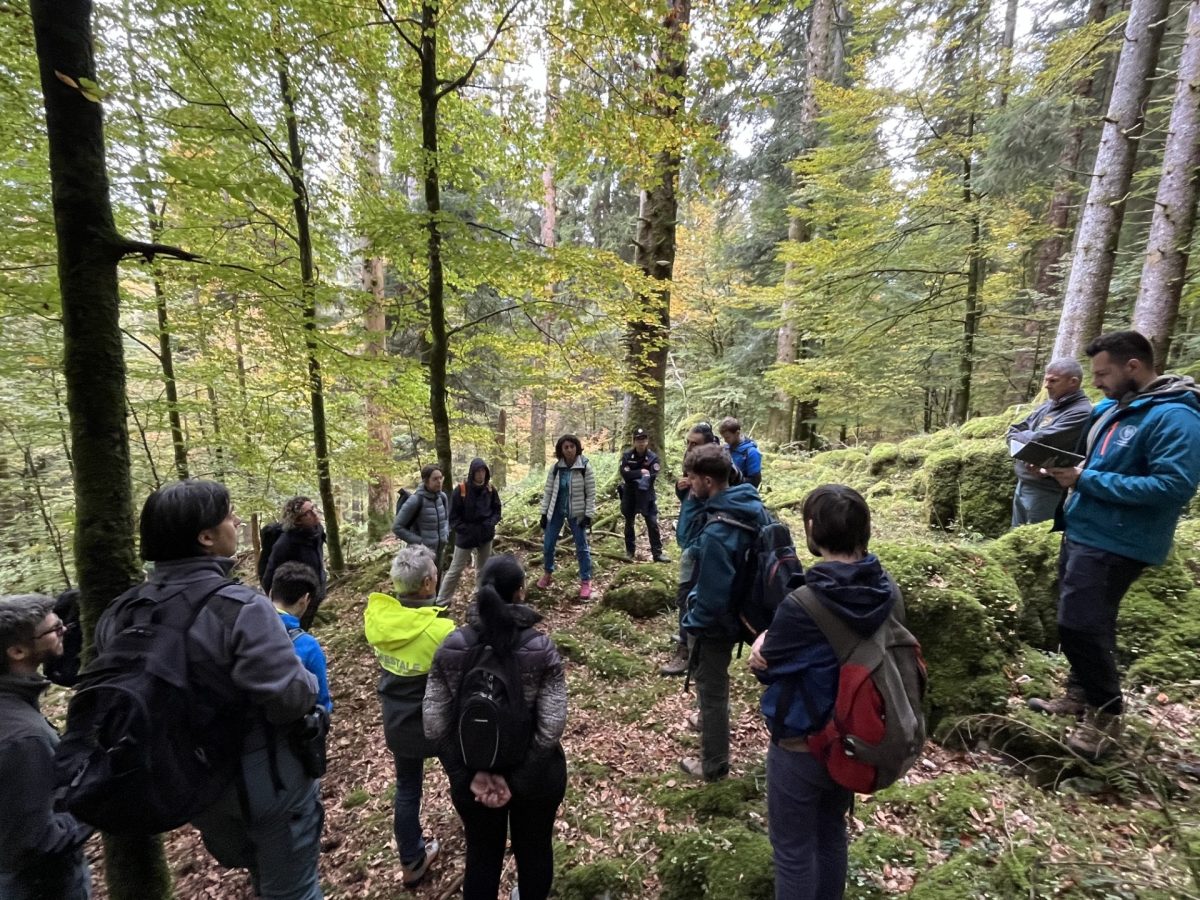
On the first day, joined by more than 20 forest managers, researchers, forestry experts and representatives of different associations, we explored how ecological processes, historical land use and local traditions continue to shape the region’s forests and landscapes.
Old forests, new insights
Our first stop was the Cansiglio Forest, where we visited stands displaying impressive old-growth characteristics. Researcher Antonio Tomao introduced us to the ecological processes unfolding in forests that have been left to develop with minimal human intervention. The Pian delle Stele reserve has been established in the early 1970s, with the last management intervention taking place more than 60 years ago, allowing natural processes to shape the forest over several decades.
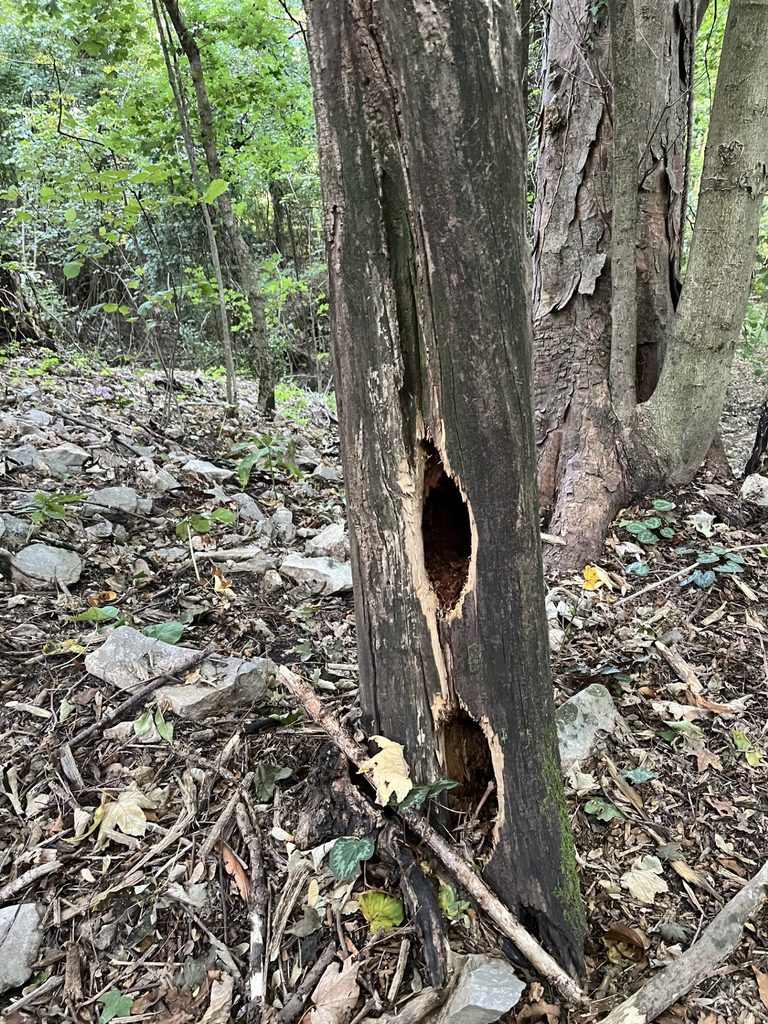
The landscape offered plenty to discover: abundant deadwood, fascinating fungi, tree cavities and a remarkable variety of microhabitats. Natural disturbances create structural diversity, providing essential habitats for species that depend on mature trees and decaying wood, including rare beetles and fungi. These features remind us that a forest’s ecological value extends far beyond the number of living trees it contains. It was beautiful to see how impressed and proud the participants were, for example when we found a Hericium erinaceus, a rare fungus that only grows on deadwood. Every 200 meters we had to make a break, both for the experts to explain the diverse forest features, as well as for the group to take several photos. From researcher Guido Marcoz we learnt that the group of scientists from University of Udine has found rare woodpeckers and a small owl, that only nests in holes that were formerly occupied by woodpeckers. What an excitement the researchers must have felt identifying these species with on-the-ground data collection techniques like sound recording – it was still visible when listening to Guido. “These species need a lot of deadwood”, Guido stated, and we learned that “by leaving standing and laying deadwood to decay also in forests managed for wood production, it is possible to promote these habitats as well”.
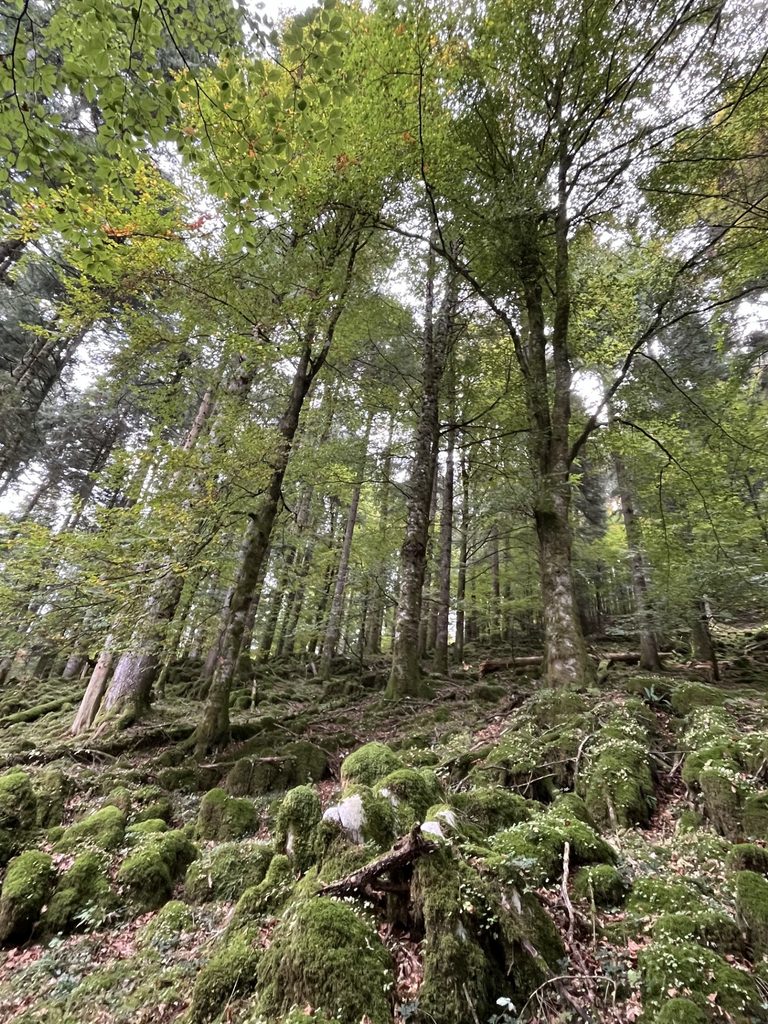
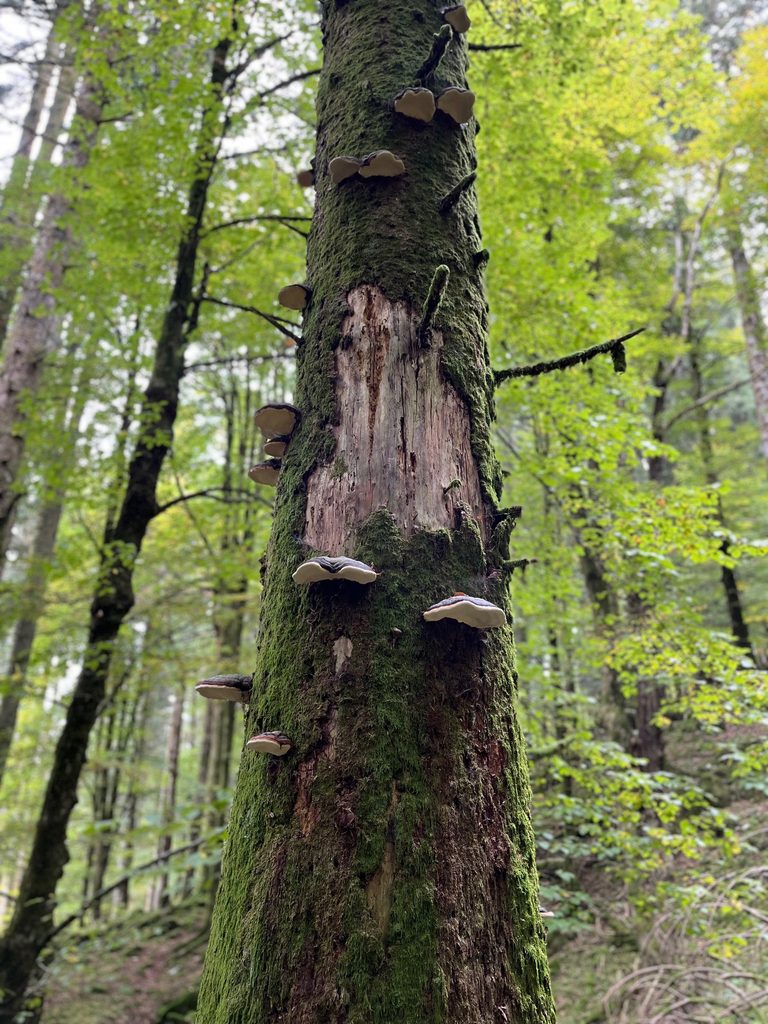
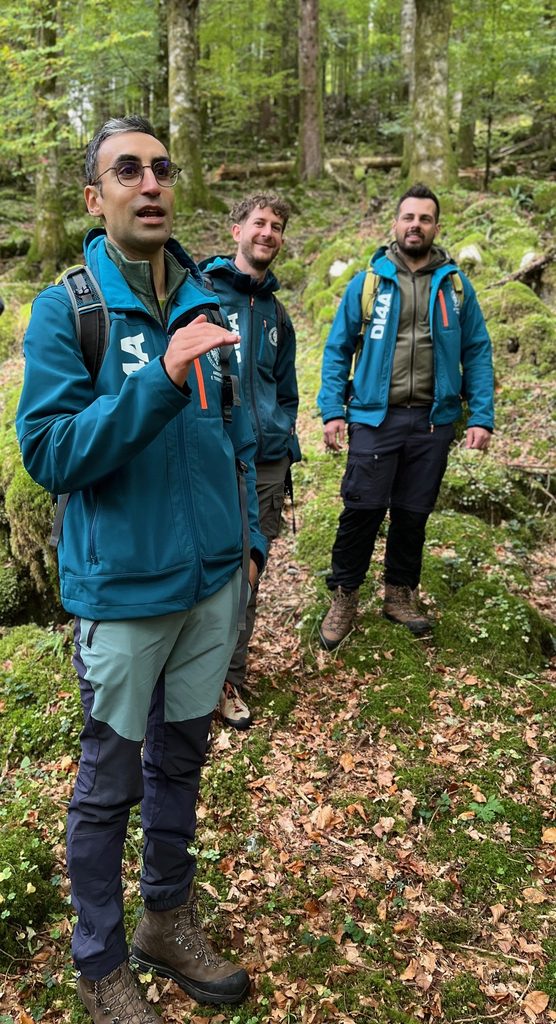
While hiking through the wild and steep forest, we also explored how old-growth forests contribute to carbon storage and sequestration, and how biodiversity develops as forests mature. One particularly interesting question was how these forests respond to climate change. While their structural complexity and natural processes offer valuable insights into forest resilience, understanding their long-term responses remains an important research challenge.
“We need to make the people aware of the different forest functions, and that there can be conflicts of interests depending on which function is prioritized”, said forestry advisor Fabio Cogo. He also mentioned that – apart from carbon credits – there are very few options to get funding for setting forests aside for conservation purposes, and that this funding is usually only beneficial for a small group of stakeholders.
How forest development is shaped by wild animals
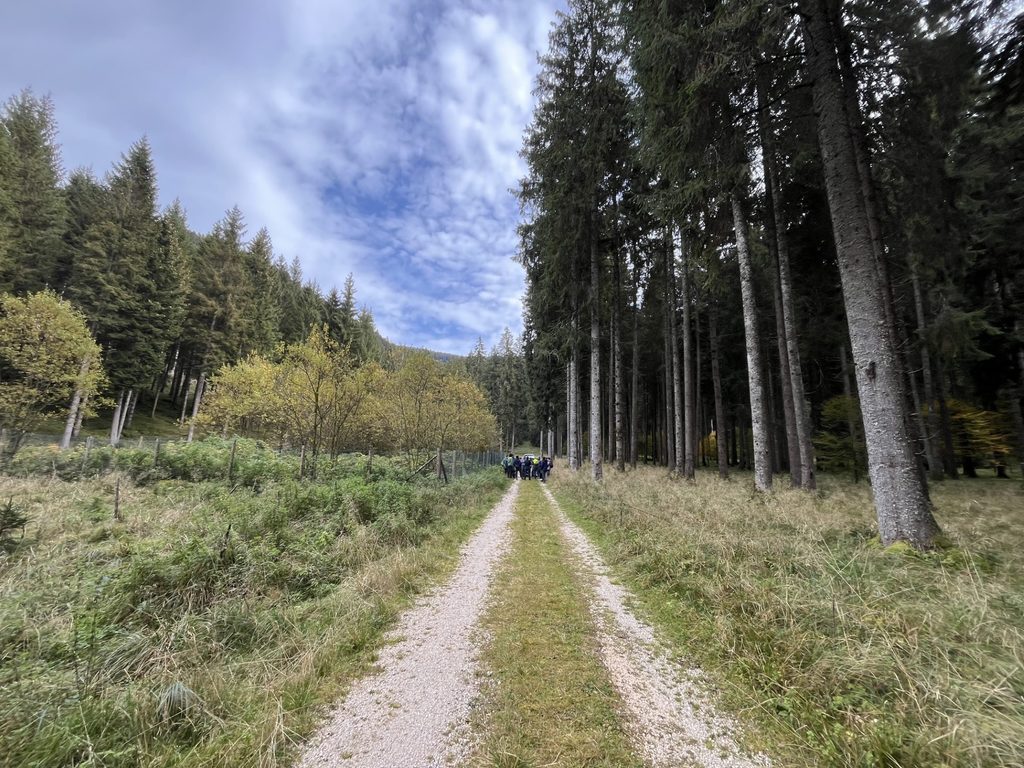
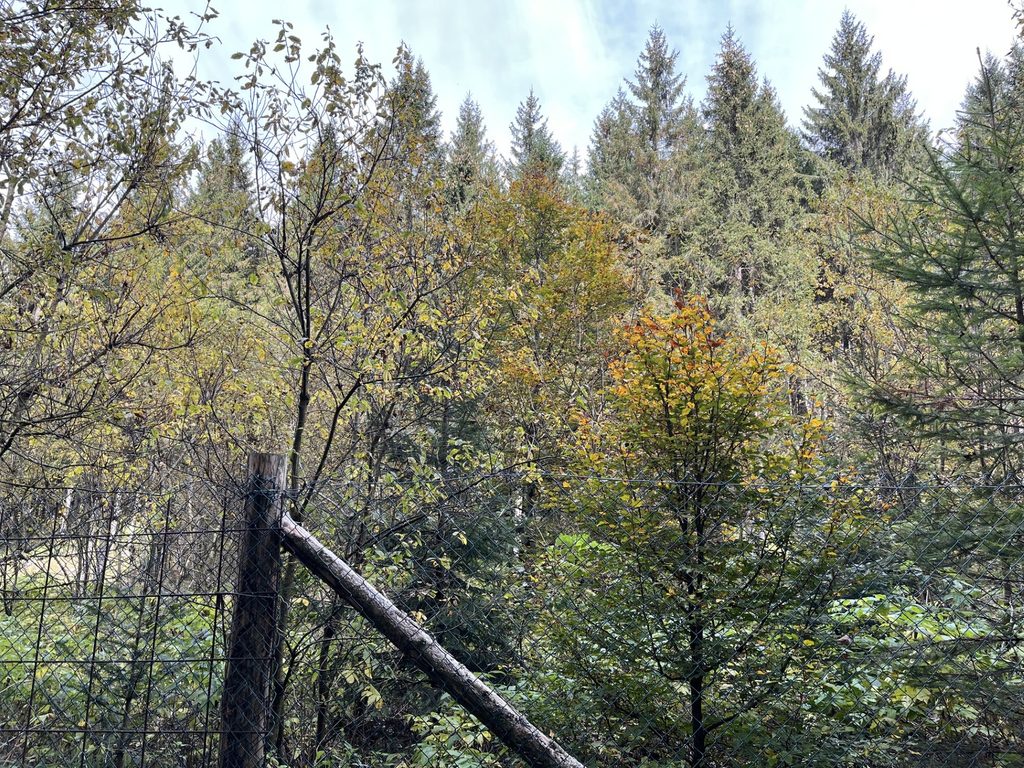
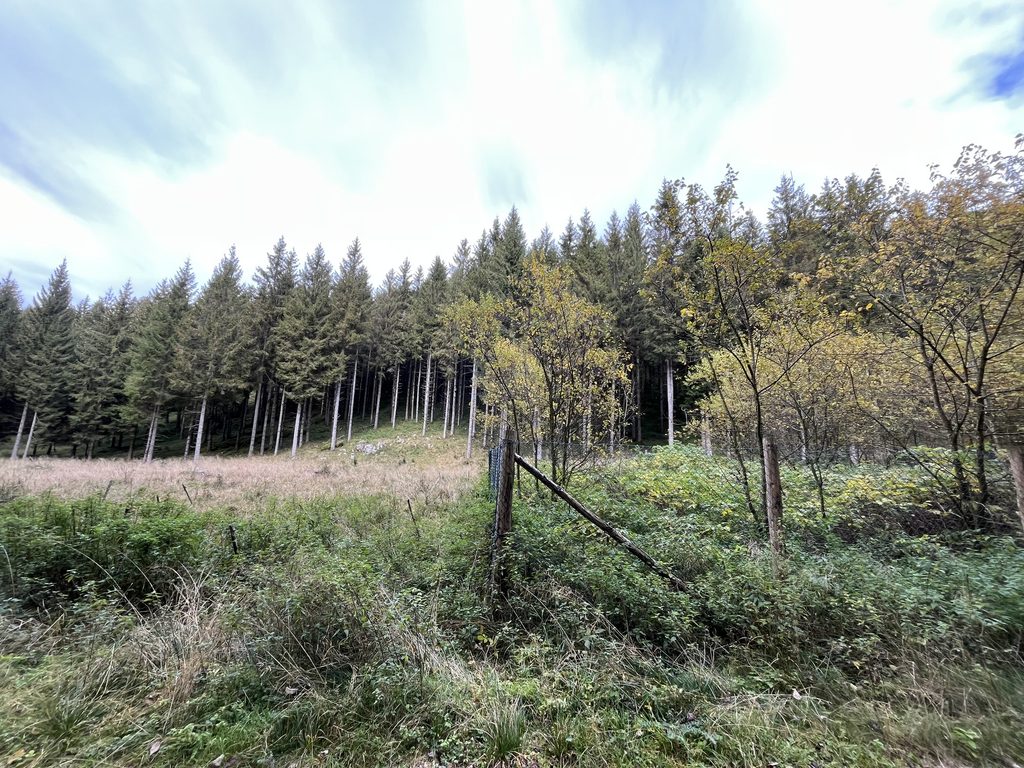
Yet natural forest development does not happen without pressures. Deer browsing, for example, can significantly limit natural regeneration and reduce the diversity of tree species. At our second stop, we saw a striking illustration of this challenge, presented to us by forest manager Roberto Luise, the local forest manager. An area protected by fencing for 15–20 years showed a remarkable difference in regeneration compared with the unfenced forest across the road, where young trees were scarce and shrubs dominated. We also discussed the potential of hunting – which we learnt is not allowed in the area – and the option of re-introducing the wolf. Roberto stated that the wolf plays an important role in addressing the game situation, “but it cannot be the only solution”, added Roberto. Seeing the effects of browsing on forest regeneration was a powerful reminder that natural processes are shaped not only by the management – or the absence of it – but also by the presence of wildlife and the conditions surrounding the forest.
Local communities as a key to success?
From Federica Biondo we learnt that there is still a lot to do in terms of taking local communities onboard, raising both their awareness and support for the local forests and their benefits. This is why her organization Legno Servizi, supporting the forest-wood sector in the Friuli Venezia Giulia region, has recently established forest education centers in both Udine and Triest. These were founded to contribute to their main objective, promoting sustainable forest management and the use of local wood through a range of dissemination, research, communication and project development activities.
Finally, in the evening, after most of the participants went home, we met Giulia Zanuttigh in Udine, about 2 hours away from Cansiglio forest. Giulia is a member of the Italian Alpine Club and works at the Municipality of Udine. She emphasized that local people should have an influence on what is happening with the forests near their homes. This could involve being allowed to cut forests to use the land as a meadow, as was done in the past. She also sees potential for more tourism, but less related to forests and their biodiversity but more related to the cultural use of forests and land.
When the forest returns: a visit to Soffumbergo
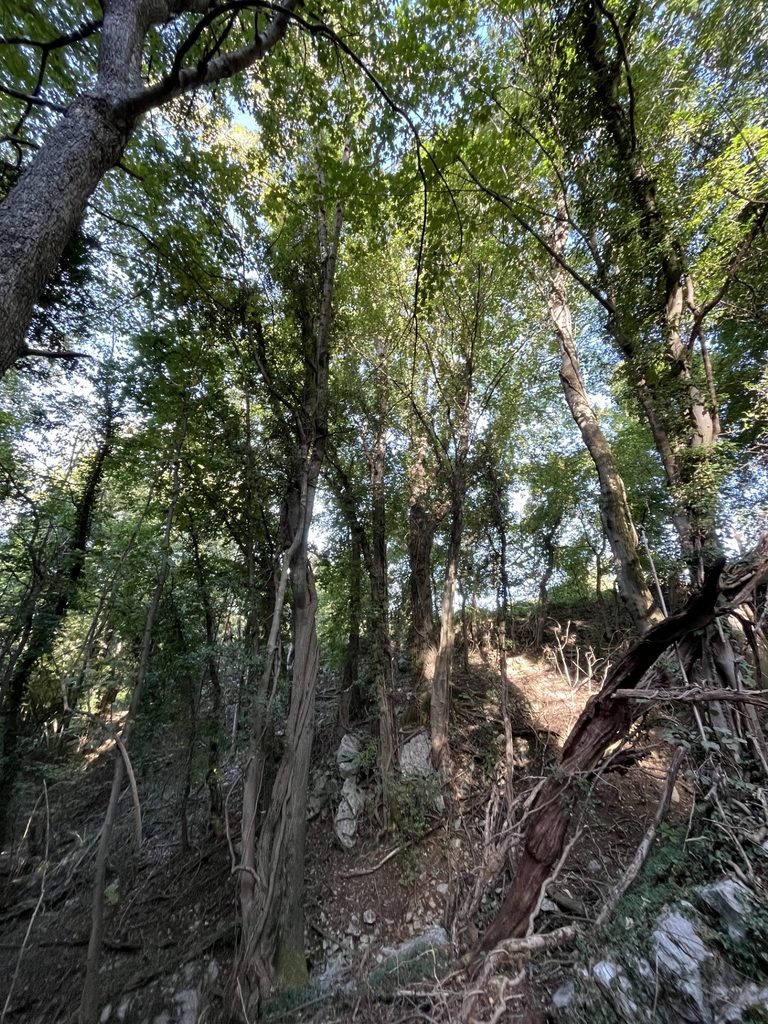
On the second day, we turned our attention to Soffumbergo, a landscape that tells a different story of forest change. Around 80 years ago, much of this area consisted of open meadows and pastures. Following the devastating earthquake of 1976, many residents left their villages, and agricultural land was gradually abandoned. Forests subsequently reclaimed these open spaces, with species such as maple, ash and hornbeam establishing themselves under the region’s favourable growing conditions.
Today, tall trees, woodland habitats and signs of wildlife reveal the ecological opportunities created by this transformation. At the same time, the expanding forest tells a story of disappearing cultural landscapes. Traditional agroforestry systems, including meadows dotted with chestnut trees, once supported local livelihoods and shaped the identity of the villages. Their decline means losing not only familiar landscapes, but also traditional knowledge, land-use practices and elements of local cultural heritage.
Between rewilding and cultural landscapes
Managing these changing landscapes is further complicated by fragmented land ownership. Some parcels are extremely small, ownership records are outdated, and identifying the people responsible for abandoned land can be difficult. Local initiatives like “Pro Loco” are therefore exploring ways to coordinate land management, maintain open areas near villages and restore selected meadows where this can support cultural values, tourism and landscape resilience. One engaging example we learned about was the “Chestnut Festival”. This event is organized by Pro Loco in the small village Valle di Soffumbergo, which has around 10 inhabitants, but several hundred visitors for the Festival. At the heart of the village, we met Giorgio Dri, who told us about the history of the area, and about the impacts of the land abandonment. He emphasized that the impressive nature is attractive for ecotourism, and proudly shared that they organize different activities with tourists throughout the year. These include for example forest bathing and an excursion to the forest in the night of San Lorenzo on 10th August, where visitors can see the shooting stars at night, and are welcomed back to Soffumbergo with a “Pasta asciutta” at midnight. However, with wildlife being so close to their houses, he also expressed his concern regarding wild boars, destroying the local gardens.
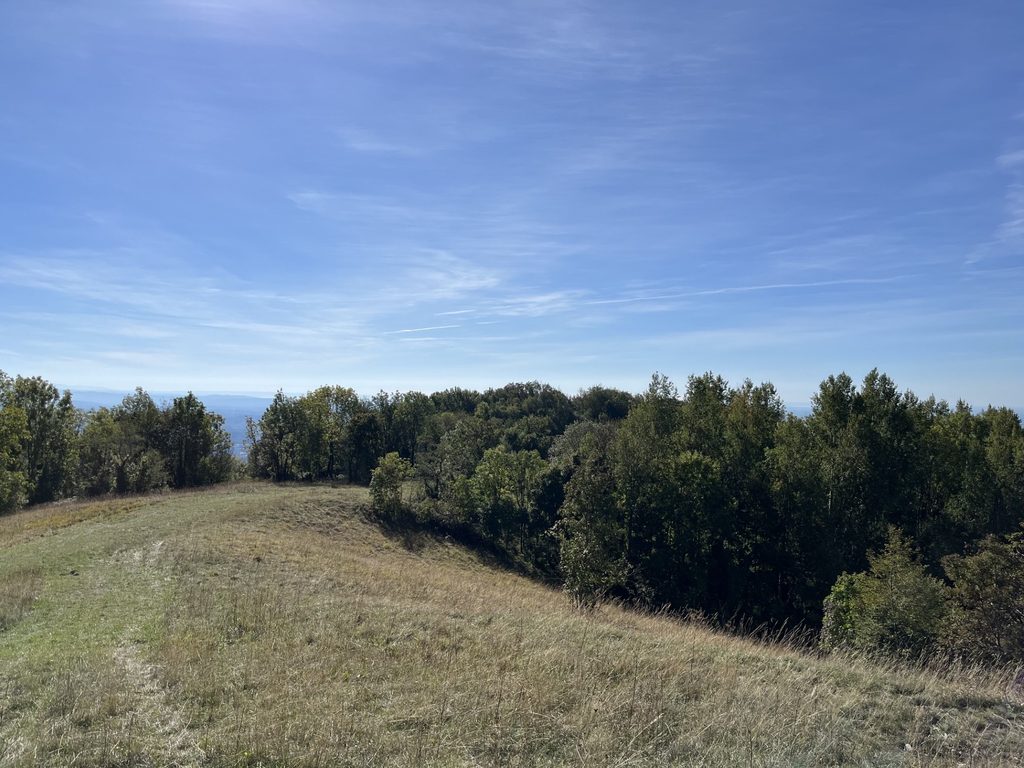
Our final stop, at the aptly named “Meadows of the Church”, offered another striking perspective: a place where open land is increasingly being taken over by forest. We realized that the only meadow left there – most likely the place where visitors watch the shooting starts – might also been taken over by forests in the next years.
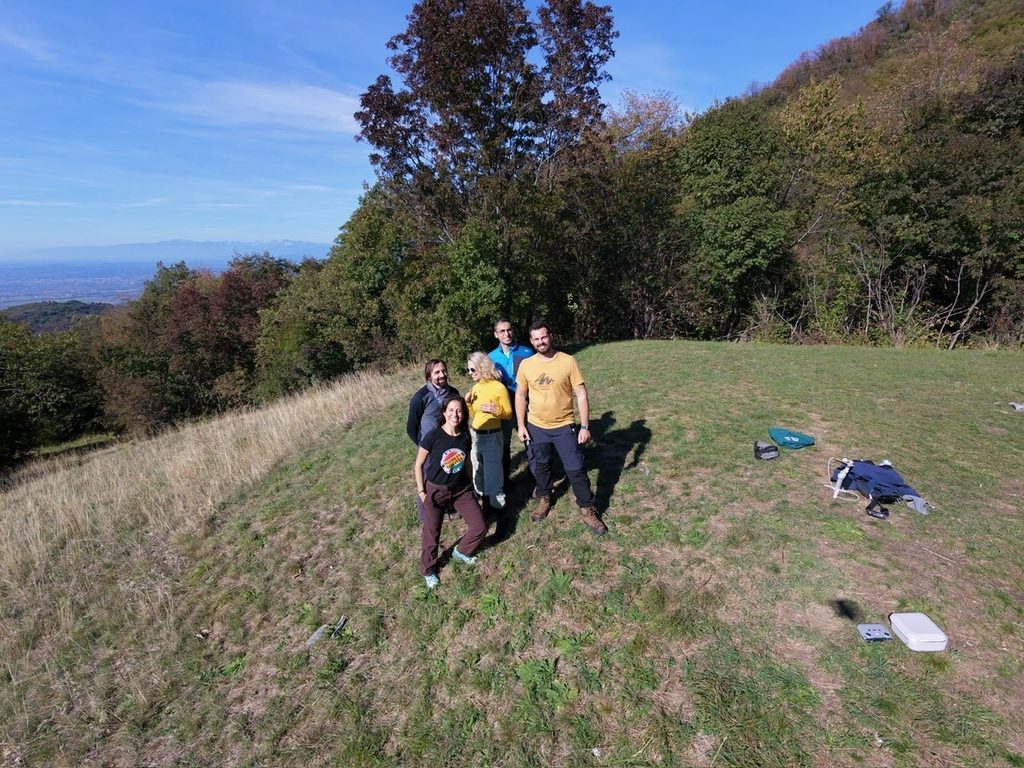
Across both days, one message became clear: forest change is never just an ecological story. It is also a story about history, livelihoods, biodiversity, climate, ownership and the relationship between people and their landscapes. And Rewilding does not represent a universal solution, but rather a set of context-specific strategies whose success depends on the ability to manage ecological, economic and social conflicts at local scale, integrating restoration interventions and natural dynamics with the needs of local landscapes and communities.
The Wildcard study trip provided a valuable opportunity to exchange perspectives, learn from local experience and reflect on the choices facing forest managers today. Rather than asking whether intervention or non-intervention is always the right answer, these landscapes invite us to consider a more nuanced question: what kind of forest and landscape do we want to sustain, and for whom?

